

Minor Cuts, Scratches + Abrasions.
Life’s little scrapes.
Handled gently.
Unless you’re wrapped in cotton wool, life leaves marks. The good news? With the right natural treatment you can gently clean, soothe and protect damaged skin without relying on synthetic chemicals.
Everyday mishaps.

From kitchen slip-ups and playground tumbles, to workplace misadventures and gardening blunders, minor skin injuries can cause discomfort and leave skin vulnerable to infection.
That’s why fast, effective and gentle care is so important.
What are they?
Minor skin injuries are superficial wounds that affect the outermost layer of skin (the epidermis) and are generally manageable at home or in the workplace with basic care.

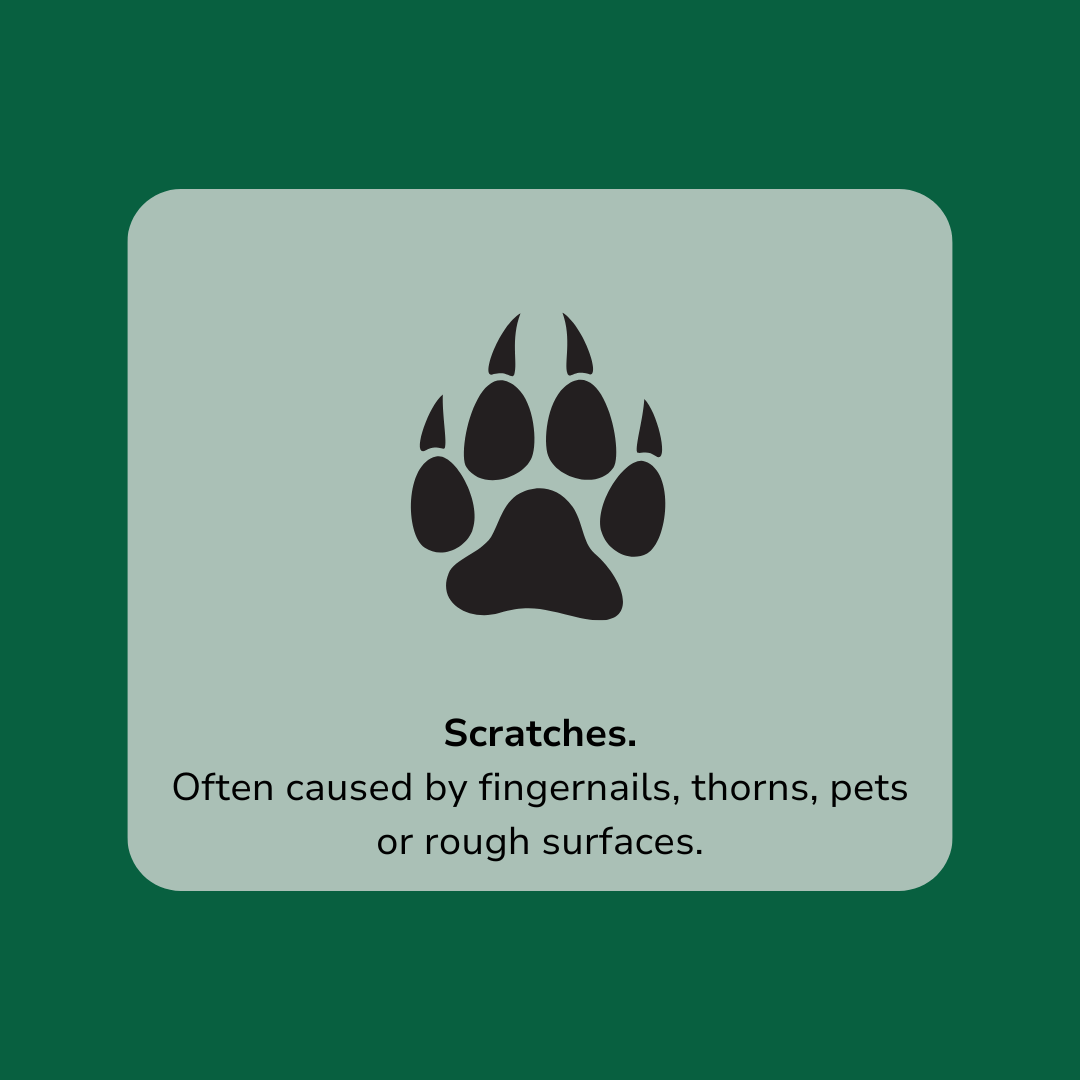
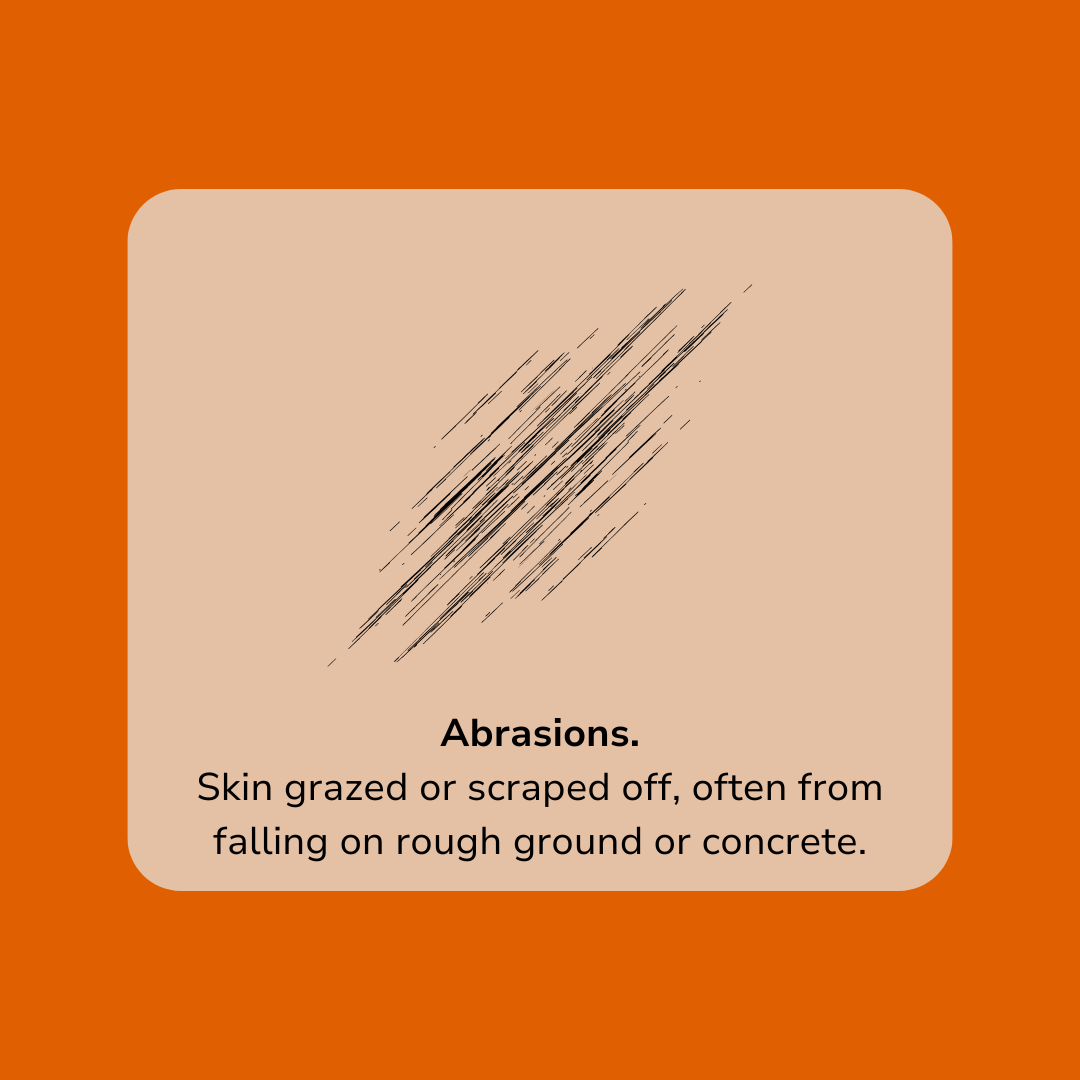
Typical presentation.
Minor skin injuries are shallow, surface-level breaks in the skin typically presenting with mild redness, tenderness and minimal bleeding. They are generally manageable with basic first aid.
When to seek medical help.
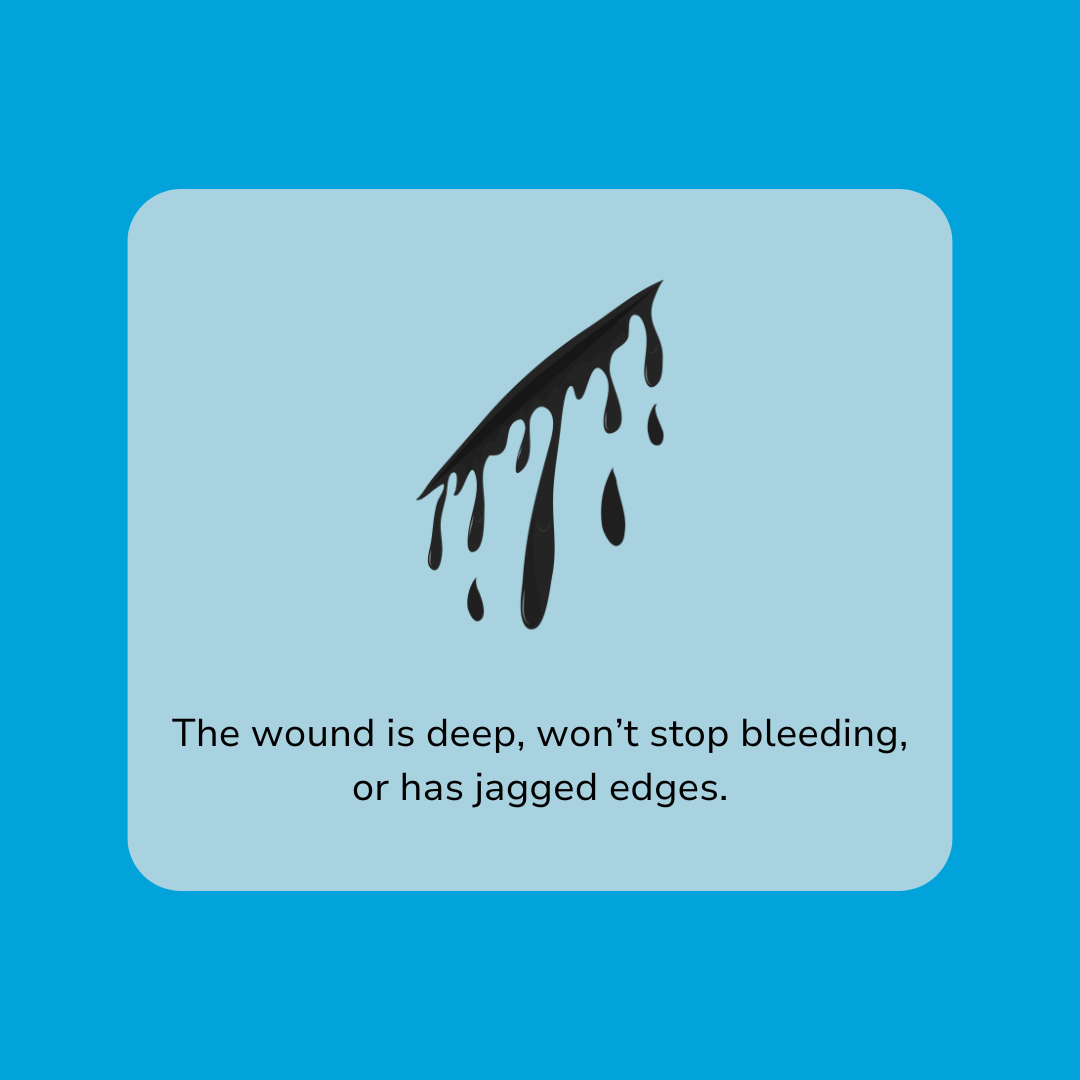
Even small injuries sometimes need a second look. You should speak to a healthcare professional if you’re unsure or if the injury is displaying certain characteristics.


How to treat.
It’s important to care for minor cuts, scratches and abrasions with a few simple steps:
Gently clean the skin
Rinse with clean, lukewarm water. If needed, use a mild soap to help remove any dirt.
Pat dry carefully
Avoid rubbing the area. Use clean gauze or a soft cloth.
Apply a topical treatment
Use a first aid cream, gel or spray formulated with natural ingredients that are proven to manage minor skin injuries so you can avoid unnecessary synthetic chemical based brand.
Cover if needed
Apply a sterile dressing to keep the area clean if the skin is open or prone to rubbing.
Monitor the area
Watch for signs of irritation and keep the skin protected and clean.