

Itchy Skin.
The urge to scratch is natural.
So is the relief.
Itchy skin can show up anywhere, anytime - and when it strikes, it’s hard to ignore. Whether it’s caused by dryness, irritation, or a skin reaction, that persistent itch is your body’s way of saying something’s not quite right. The good news? With the right care, itchy skin can be calmed quickly and gently - no harsh chemicals needed.
Why the itch?
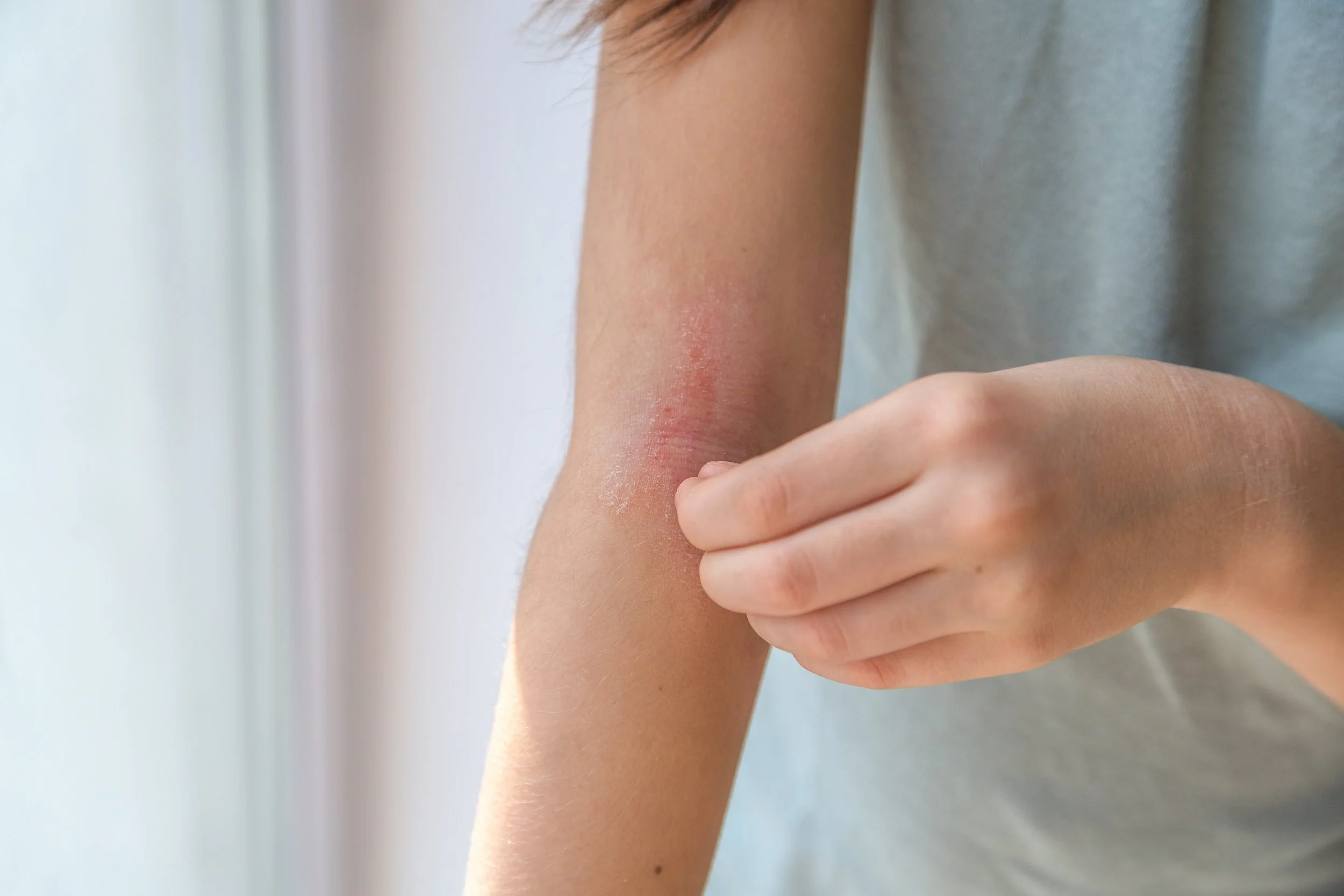
Itching (also called pruritus) is a common skin response that happens when nerve endings in the skin are triggered by irritation or inflammation.
It’s part of your body’s natural defence mechanism, but can become frustrating - especially if it doesn’t go away.
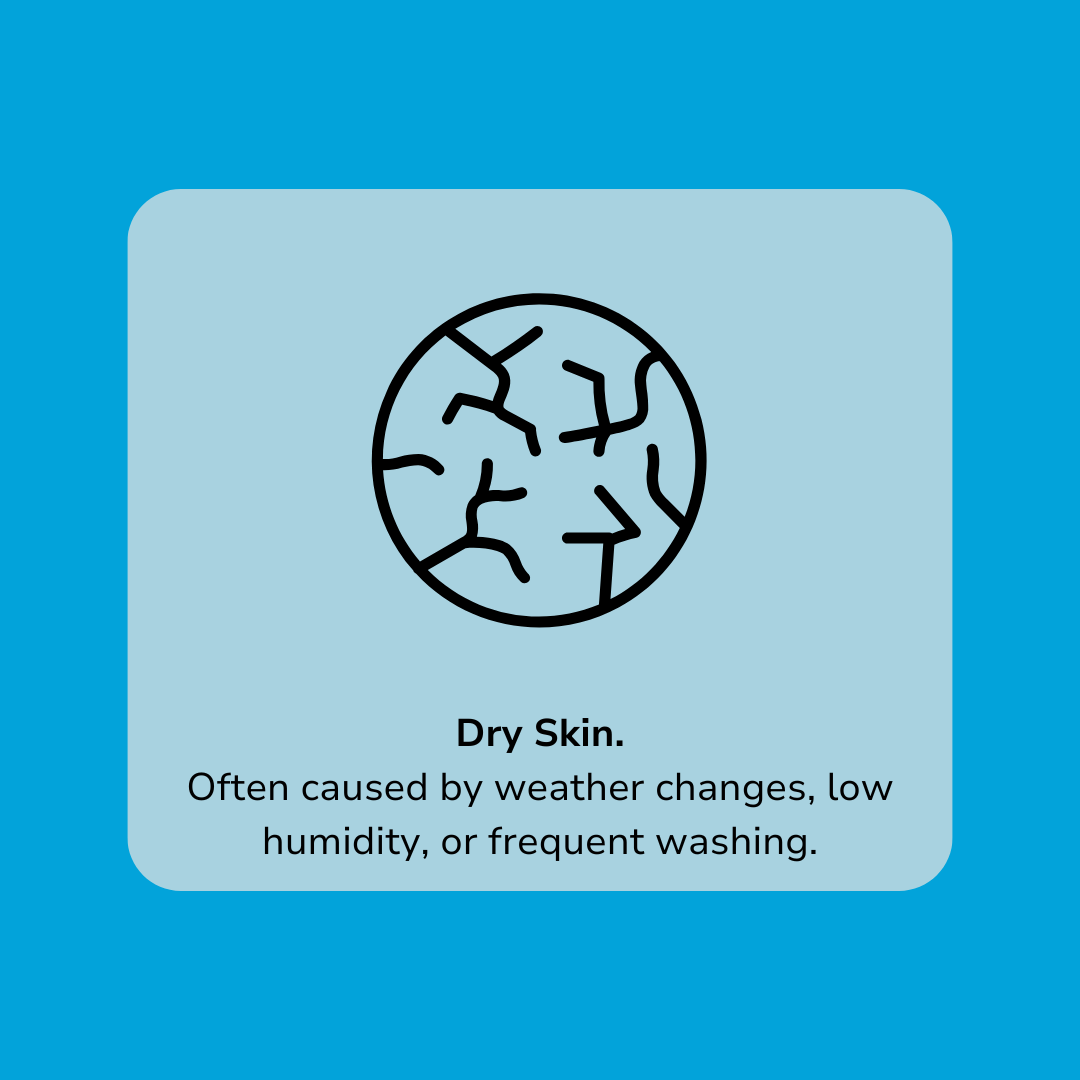
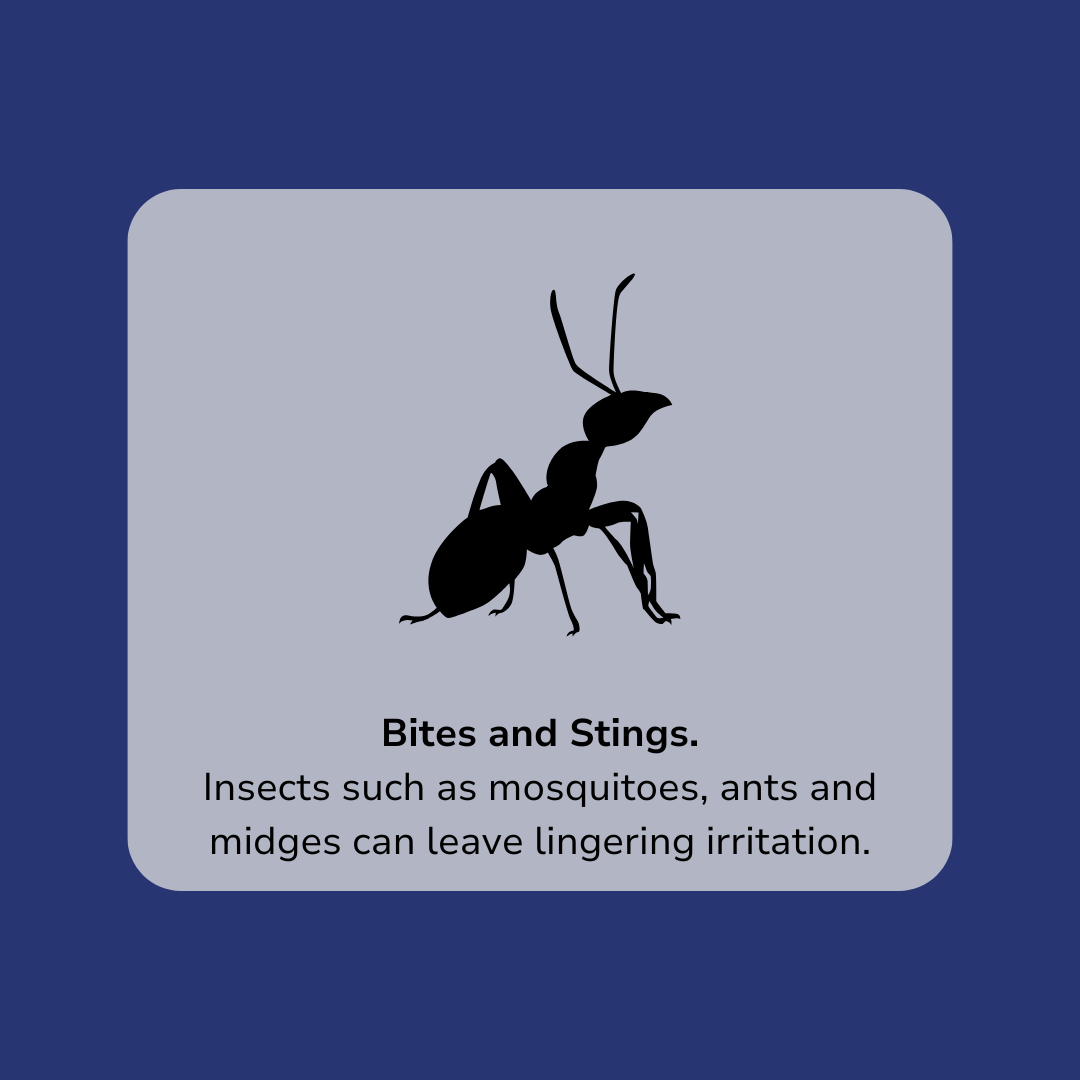
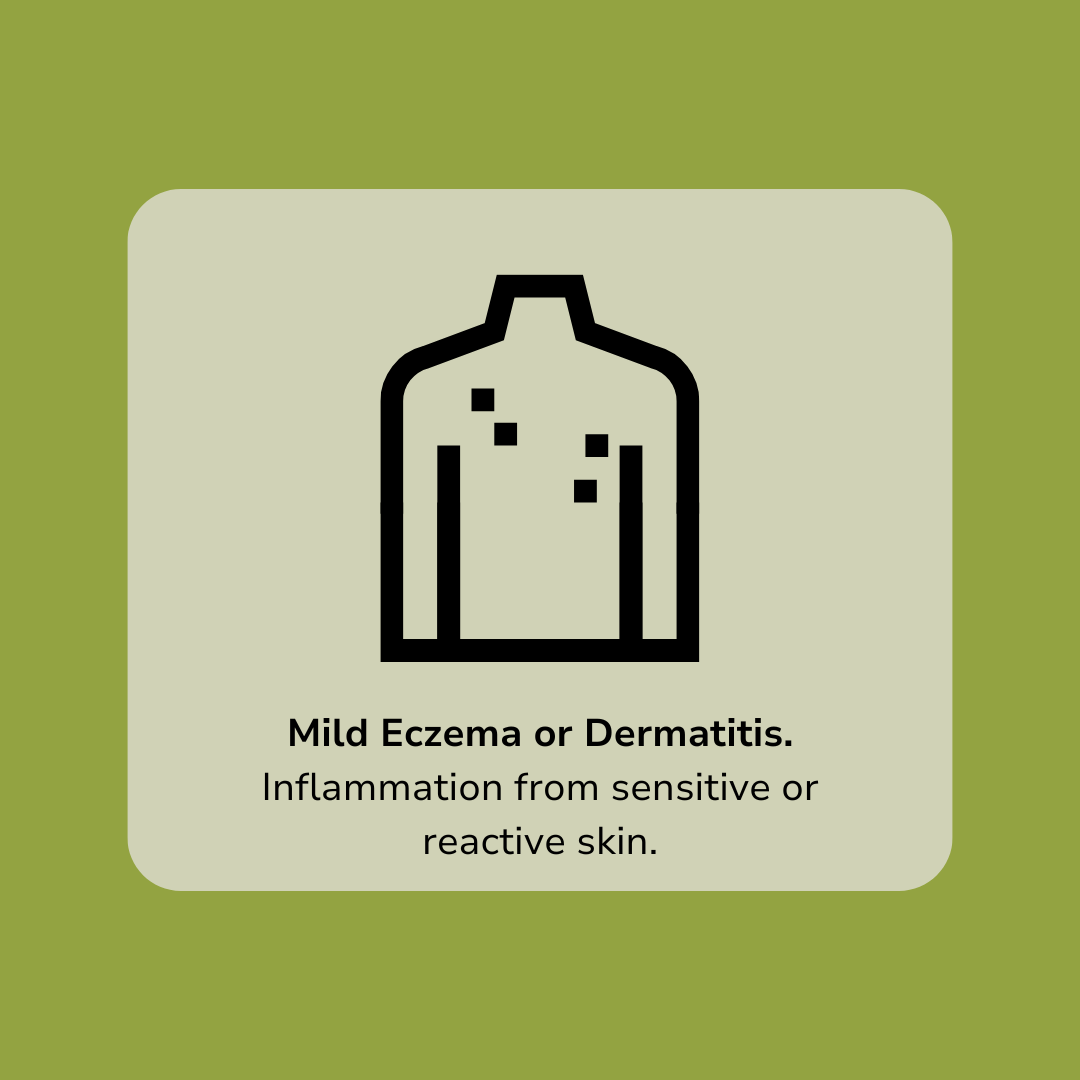
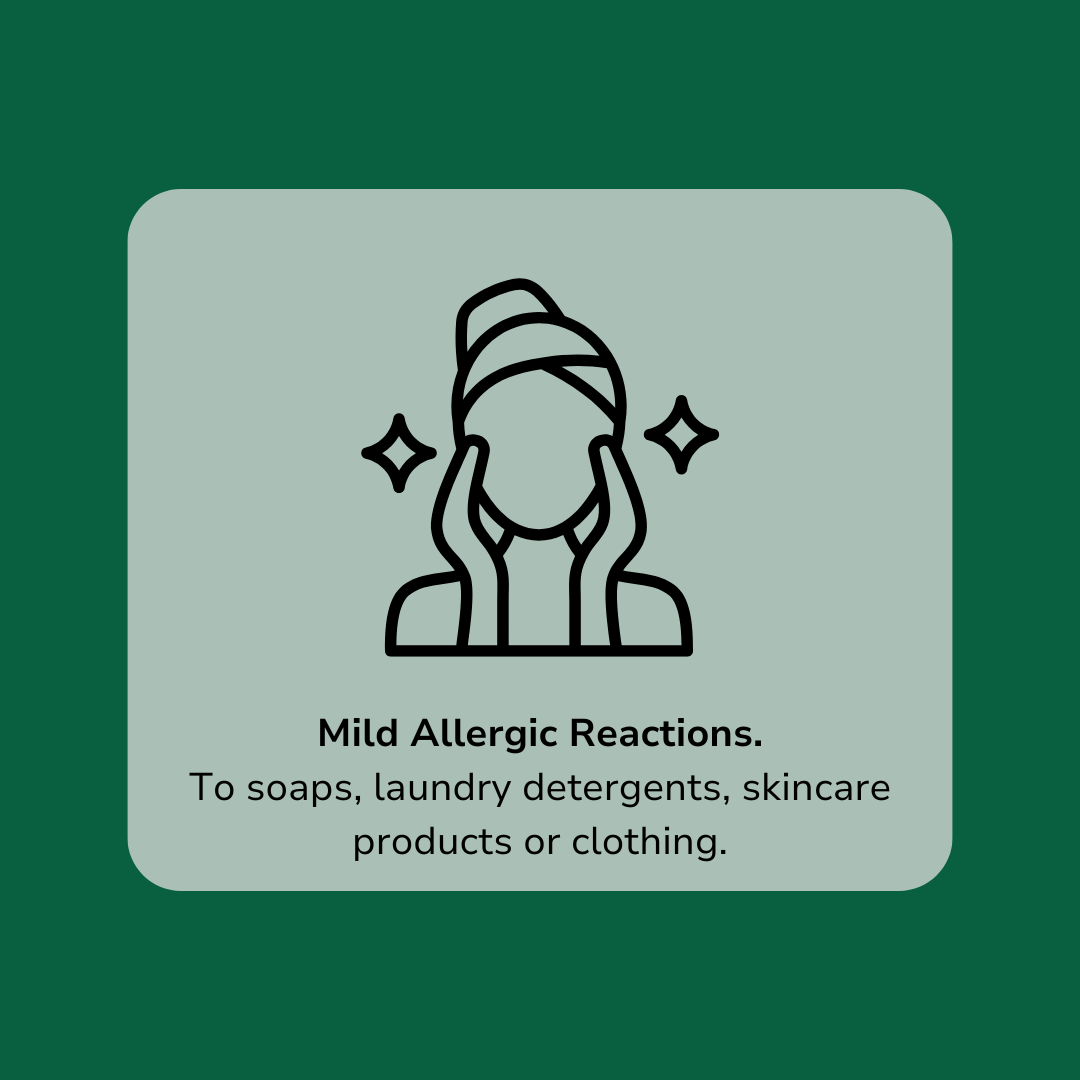
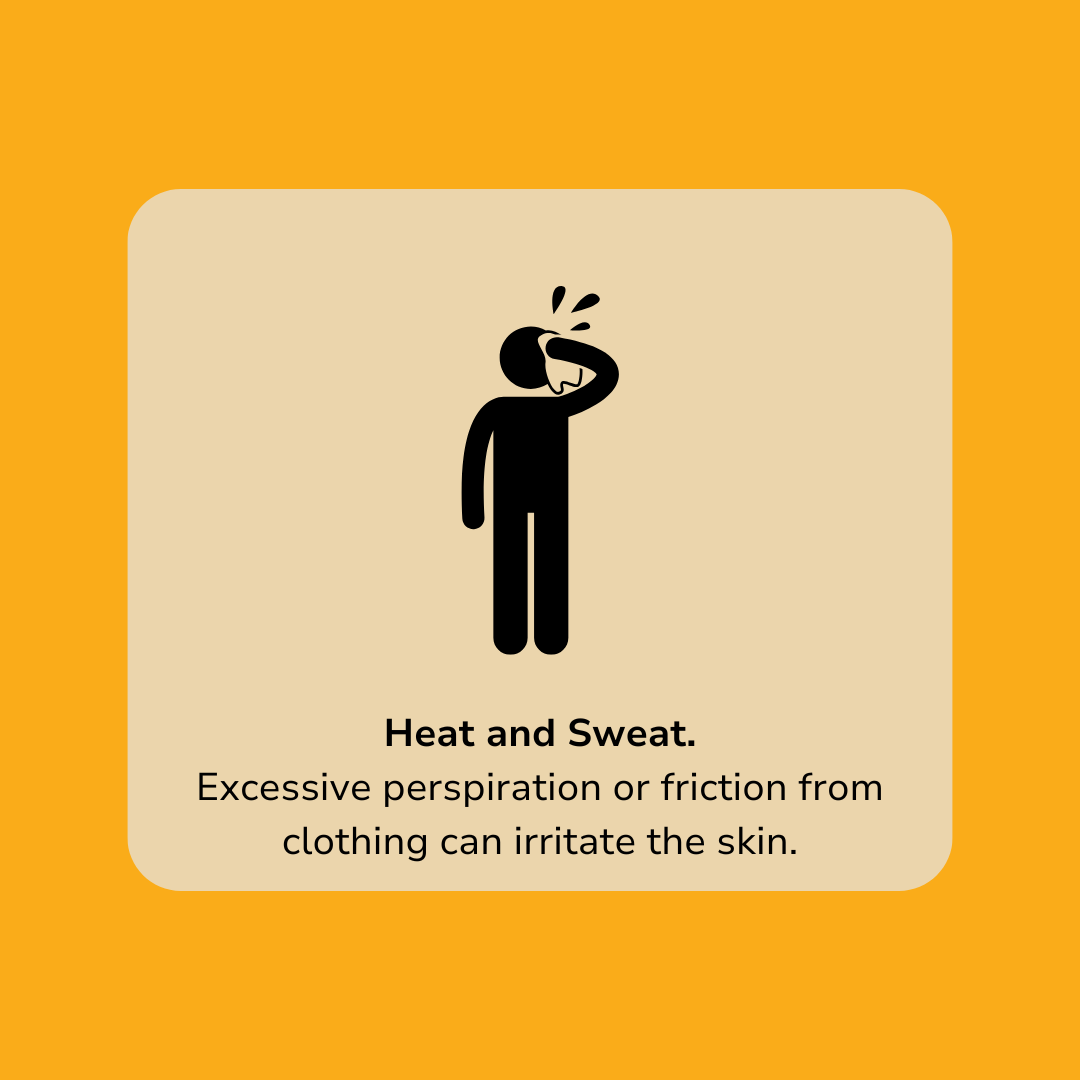
Common triggers.
Itchy skin can be triggered by a wide range of everyday factors. Sometimes the cause is obvious, other times it may be due to a combination of skin sensitivity and environmental exposure.



When to seek medical help.
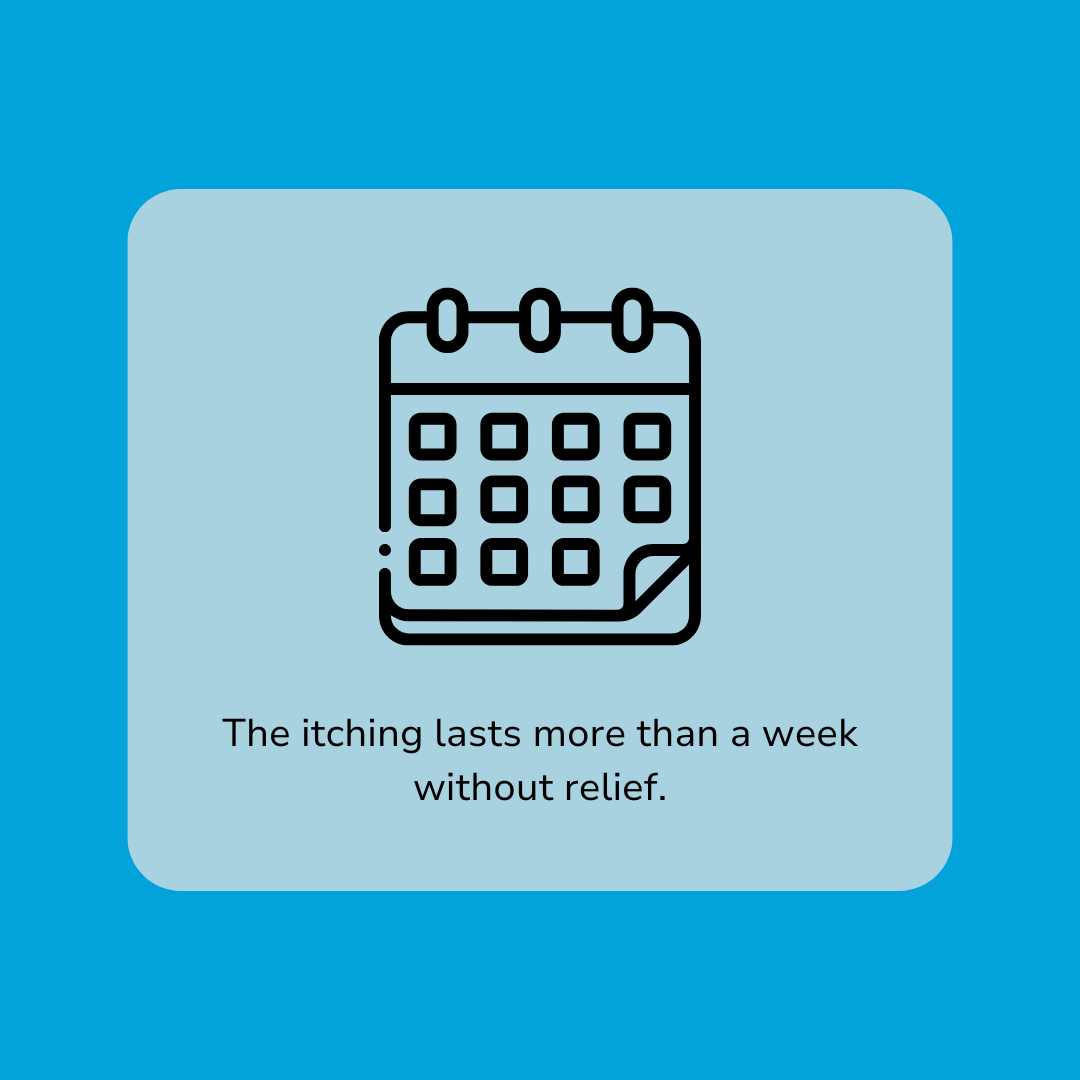
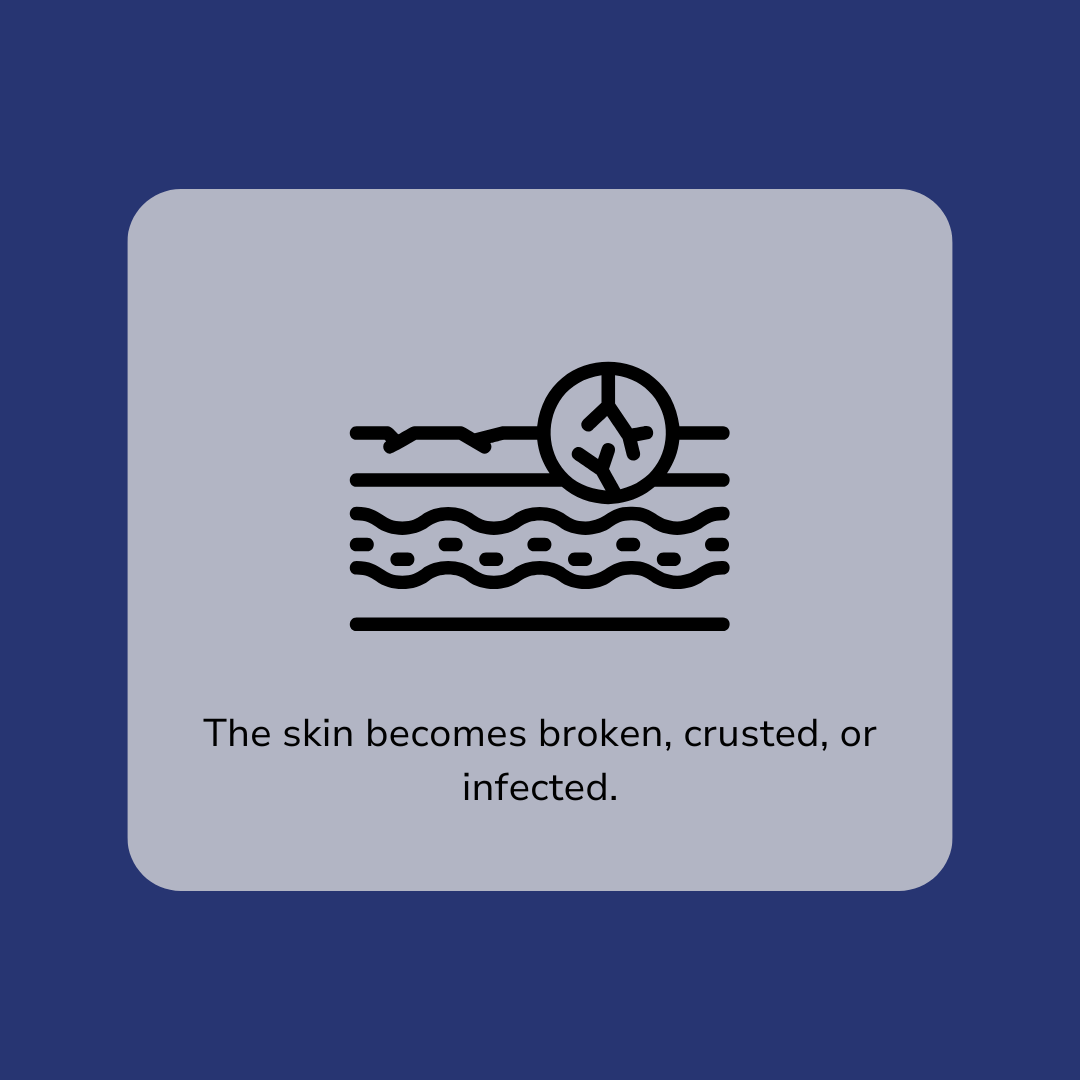
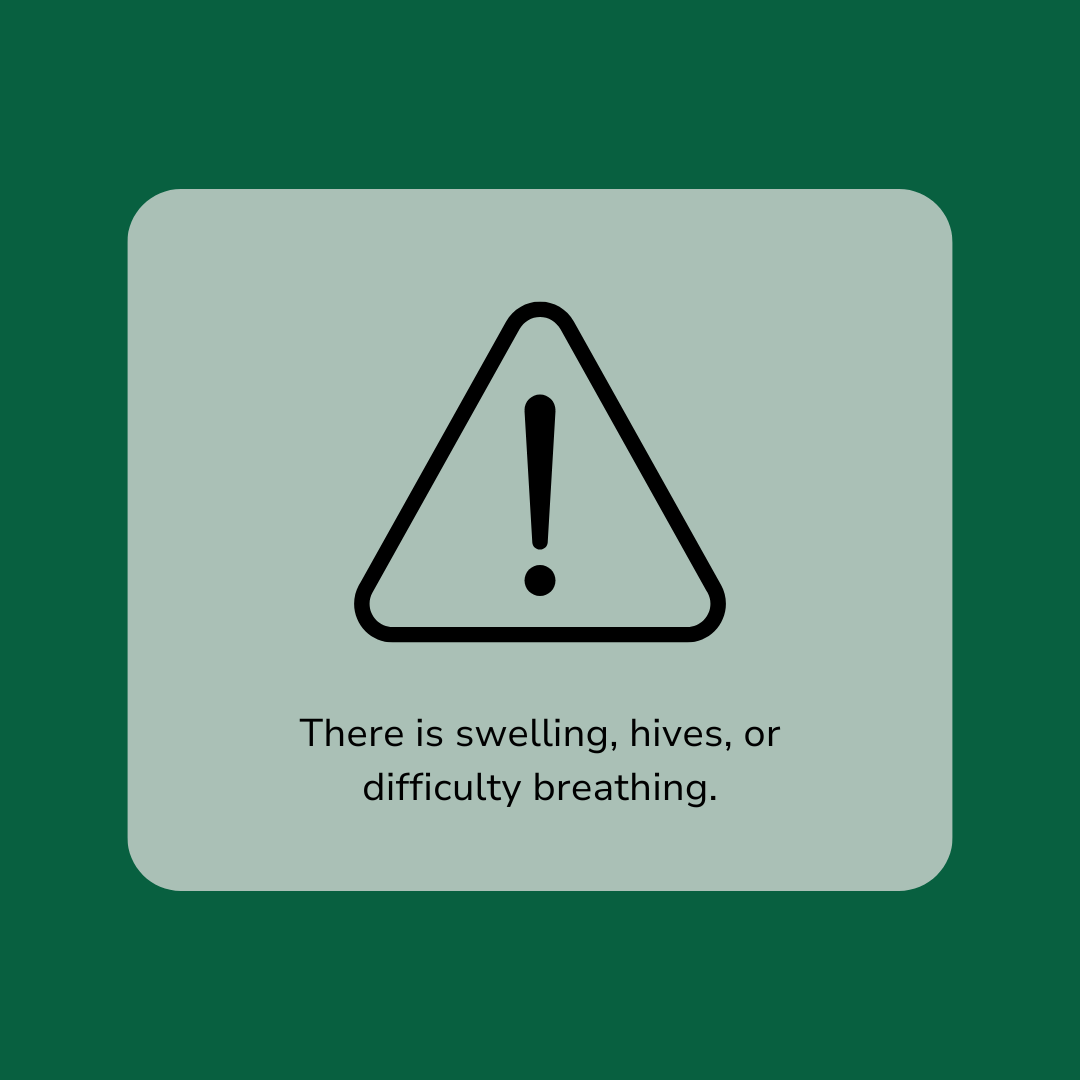
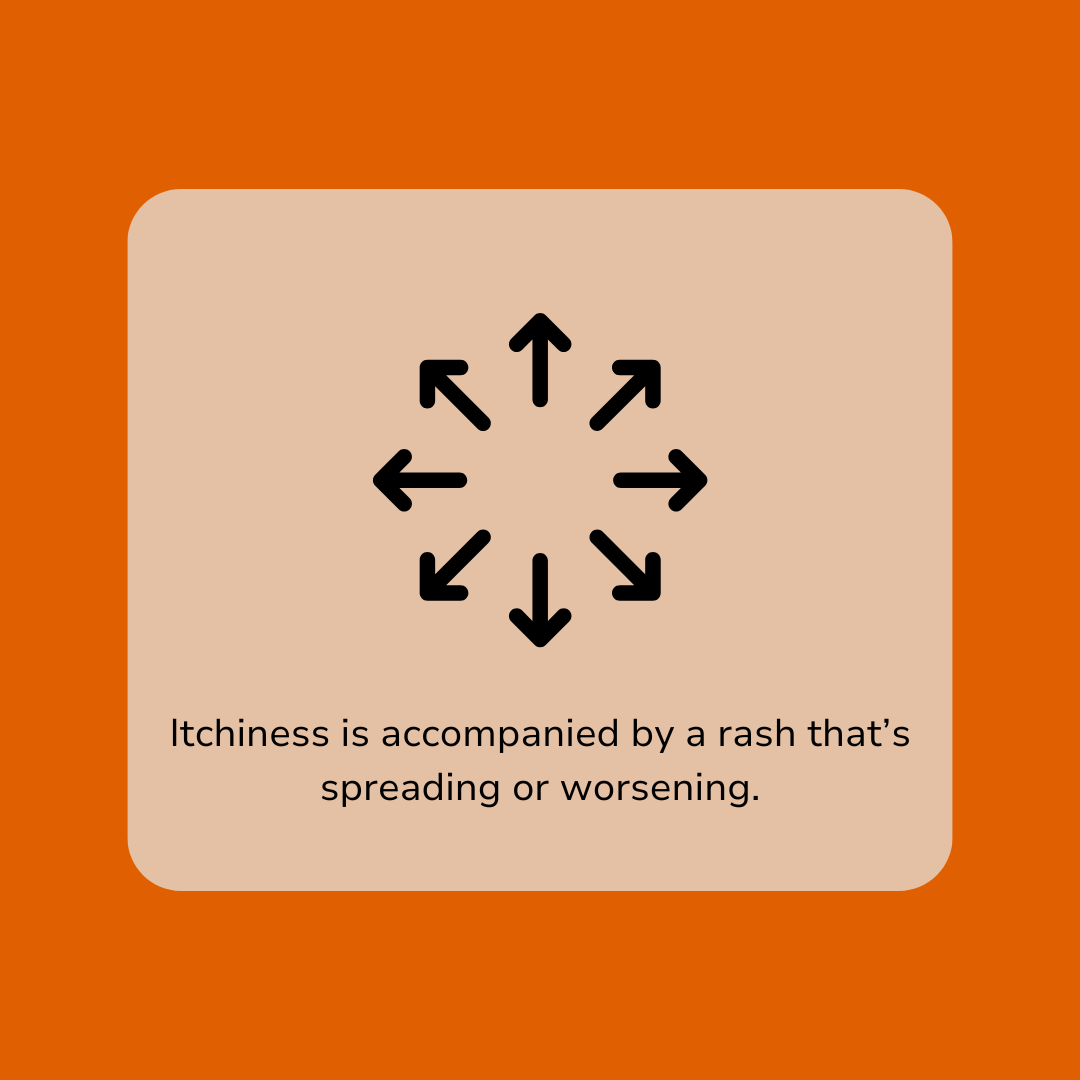
Most cases of itchy skin are mild and manageable. However always seek medical attention if you’re unsure, observe signs of acute allergic reaction, or the symptoms worsen.

How to treat.
Itchy skin needs to be managed with a few simple steps:
Avoid scratching
As tempting as it is, scratching can break the skin and increase the risk of infection or scarring. If the itch is intense, try gently pressing or tapping the area instead.
Cleanse the skin gently
Wash the affected area with lukewarm water (never hot) and a mild, fragrance-free cleanser. Harsh soaps can strip the skin of its natural oils and make itching worse.
Pat dry, don’t rub
After washing, gently pat the skin dry with a soft towel. Rubbing can further irritate already sensitive skin.
Apply a soothing topical treatment
Products formulated with natural ingredients that are proven to relieve symptoms mean you can avoid unnecessary synthetic chemical based brands.
Keep the skin moisturised
If dry skin is a contributing factor, follow your treatment with a light, fragrance-free moisturiser to help restore the skin’s barrier and prevent further irritation.
Avoid known triggers
Try to identify what caused the itch in the first place and avoid or minimise contact where possible.
Wear breathable soft fabrics
Choose loose-fitting clothing made from natural fibres like cotton to avoid friction or trapping heat against the skin.