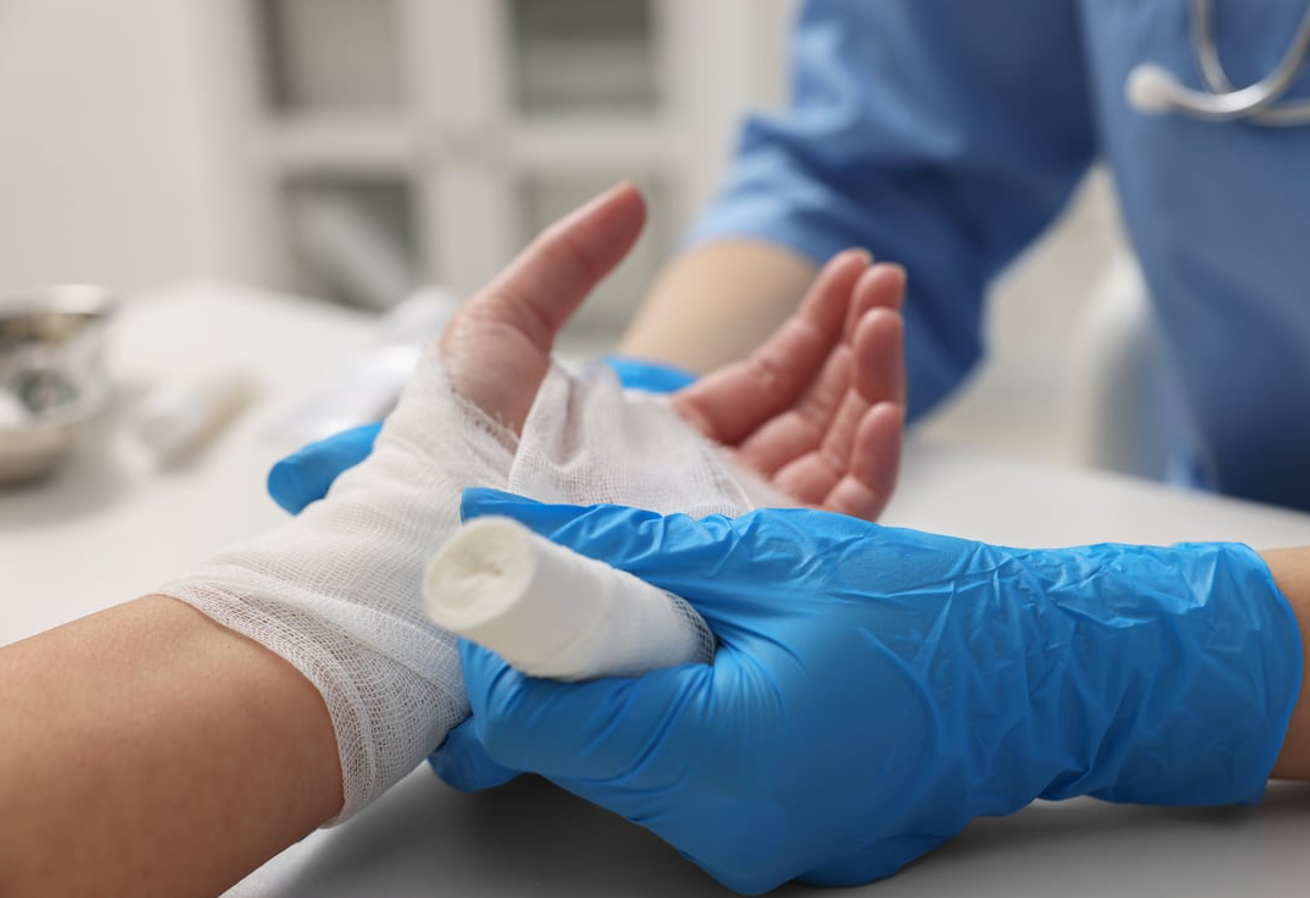
When a burn patient arrives at an Emergency Department or Burns Unit, the initial presentation of the injury is critical. Clinical staff must rapidly and accurately assess the burn to determine the most appropriate next steps in treatment.
The Impact of Inappropriate Substances
Burns that have been covered with creams, ointments, oils, or other inappropriate substances can create several problems:
They may worsen the injury
They can obscure the true depth and extent of the burn
They require removal before assessment, often through wiping or scrubbing
This removal process can be time‑consuming, painful, and distressing for the patient, delaying definitive care and increasing discomfort.
Advantages of Water‑Based Hydrogels
A well‑formulated water‑based hydrogel offers significant advantages in the initial management of burns:
It does not mask burn severity, allowing accurate assessment
It can be easily rinsed off without aggressive scrubbing
Removal is typically quick, simple, and causes minimal pain
It provides ongoing cooling and analgesia
This makes hydrogels particularly valuable when patients require further medical intervention.
Evidence‑Based Guidance
The Australian and New Zealand Burns Association (ANZBA) advises:
Cool moist dressings provide good analgesia for partial thickness burns.
If clean running water is not available, immersion in cool water, application of hydrogel or other wet dressings may be useful alternatives for the provision of first aid and analgesia.
Key Takeaways
Clean running water remains the gold standard for immediate burn first aid.
For ongoing cooling and pain relief, hydrogels are an effective option.
Proper presentation facilitates rapid assessment, reduced pain, and efficient treatment in Emergency Departments and Burns Units.
Ensuring that burn patients arrive with injuries appropriately managed can significantly improve both patient experience and clinical outcomes.